The best aquarium soil for a planted tank
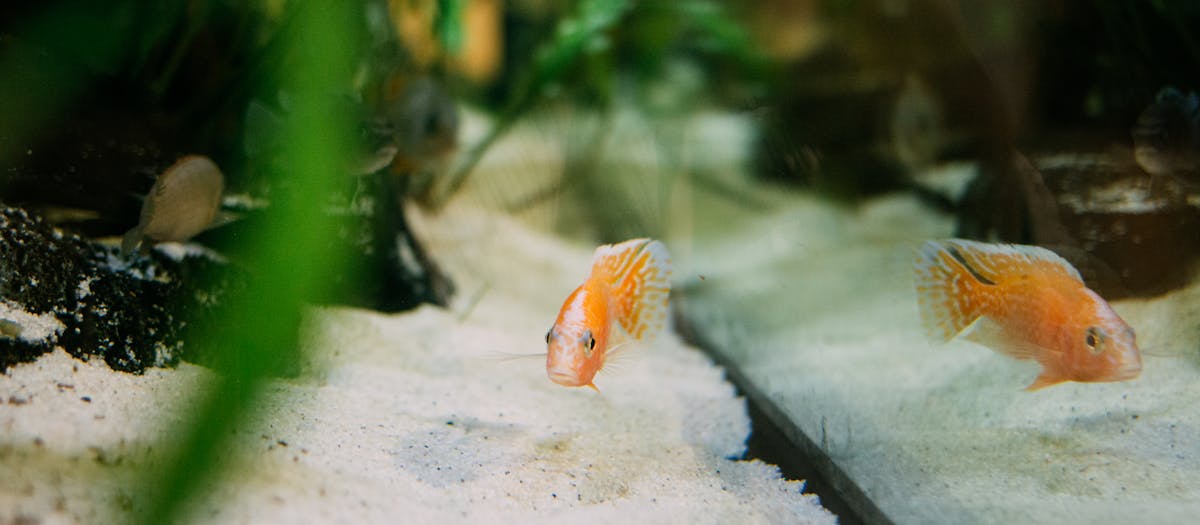
If you want the short version: the best aquarium soil for most planted tanks is the Best overall pick — a top-tier nutrient-rich aquasoil that grows almost any plant for six to twelve months without root tabs. The best value pick is the Best value, and the best beginner-friendly option is the Best beginner-friendly.
Aquarium soil is the single decision that decides what plants you can keep and how hard the rest of the build has to work. Get it right and your plants do most of the work for you. Get it wrong and you spend the next year compensating with extra dosing, root tabs jammed monthly, and stunted root growth on every heavy feeder. Specs verified against manufacturer listings and Amazon. We have not lab-tested every soil, but I have run the slot-1 pick on my own 60-gallon tank for about three years — these notes lean on that hands-on time, plus cross-checks against the hobbyist forums that have run multi-year head-to-heads.
Quick comparison
Six aquarium soils side by side. Type (nutrient-rich vs inert), bag size, nutrient release window, and pH effect.
| Best for | Type | Bag size | Nutrient release | pH effect |
|---|---|---|---|---|
| Best overall | Active soil — Japanese plant-based black soil, includes Amazon concentrate supplement | 9 L | Rich initial release for rooting plants; sustained feeding | Naturally buffers — lowers pH and hardness toward planted-tank ideal |
| Best value | Active soil — mineral-rich volcanic granules with dormant nitrifying bacteria | 8.8 lb (≈ 4 kg) | Lightweight 1 mm porous granules; releases nutrients and initiates the nitrogen cycle | Slightly acidic — stabilises new tanks, reduces ammonia spikes |
| Best long-life | Active soil — volcanic ash, normal grain size, no rinsing required | 10 L | Low ammonia release; supports beneficial bacteria growth | Buffers slightly acidic (~6.8 pH); lowers kH and total hardness |
| Best for shrimp | Natural volcanic-ash substrate, 3 mm particles, made for shrimp biotopes | 5 lb | Supports strong root systems and nutrient uptake through roots | Lowers general hardness and brings alkaline water slightly below pH 7 |
| Best inert (cap method) | Inert specially-fracted porous clay gravel | 15.4 lb (≈ 7 kg) | Not nutrient-rich on its own — relies on water column dosing or root tabs | No chemical alteration of pH |
| Best beginner-friendly | Natural-material clay-based stratum, 3–5 mm grain | 5 L (≈ 10 lb) | Minerals, organic acids and nitrogen nutrients — good for plants and shrimp | Lightly buffers towards softer, slightly-acidic water |
Our top picks
Six picks, each matched to a buyer situation. Read the one that sounds like you — the "best for" tag at the top of each box is doing real work.
Best overall: ADA Aqua Soil Amazonia Ver 2 (9L)

Best overall
ADA Aqua Soil Amazonia Ver 2 (9L)
Aqua Design Amano (ADA)
- Bag size: 9 L
- Type: Active soil — Japanese plant-based black soil, includes Amazon concentrate supplement
- Nutrient release: Rich initial release for rooting plants; sustained feeding
- pH effect: Naturally buffers — lowers pH and hardness toward planted-tank ideal
- Color: Black, irregular natural granules
The benchmark active aquasoil — used by competitive aquascapers worldwide. Includes a separate Amazon concentrate supplement to fine-tune the layout for different plant mixes.
Last checked 2026-10-09
The default top-tier aquasoil for serious planted tanks. Nutrient-rich, slightly acidic, fine-to-medium grain that suits delicate roots. Drops pH about 0.5 to 1.0 units in soft tap water, which is good news for shrimp and most planted-tank species. The nutrient peak runs through the first six months and tapers from there — most keepers see no plant-growth issues for the first eighteen months on this pick.
Who it is for: a buyer building a planted tank to last several years, willing to pay for the substrate that needs the least supplementation. What to watch: this soil dumps ammonia for the first two weeks. Plan a fishless cycle; do not add fish until parameters read zero/zero on ammonia and nitrite.
Best value: Fluval Bio Stratum — Natural Mineral-Rich Volcanic Soil for Planted Tanks, 8.8 lb

Best value
Fluval Bio Stratum — Natural Mineral-Rich Volcanic Soil for Planted Tanks, 8.8 lb
Fluval
- Bag size: 8.8 lb (≈ 4 kg)
- Type: Active soil — mineral-rich volcanic granules with dormant nitrifying bacteria
- Nutrient release: Lightweight 1 mm porous granules; releases nutrients and initiates the nitrogen cycle
- pH effect: Slightly acidic — stabilises new tanks, reduces ammonia spikes
- Color: Black
The volume seller for cost-conscious planted tanks — porous volcanic granules at roughly half the per-litre price of premium ADA. Drop-in for a 10–20 G first build.
Last checked 2026-10-09
The value pick. A nutrient-rich aquasoil at a meaningful price discount to the top-tier brands, with a slightly shorter nutrient peak and a similar pH effect. The grain is slightly larger (less suited to fine carpet plants) but it works for most root-feeders and stems. The honest trade-off is that you'll need root tabs sooner — typically twelve months in instead of eighteen.
Who it is for: a budget-conscious build, a larger tank where the bag count escalates fast, or a keeper who wants nutrient-rich soil without the top-shelf price. What to watch: same ammonia leach as the slot-1 pick — fishless cycle mandatory.
Best long-life: Ultum Nature Systems Controsoil — Freshwater Aqua Soil Substrate, 10 L

Best long-life
Ultum Nature Systems Controsoil — Freshwater Aqua Soil Substrate, 10 L
Ultum Nature Systems
- Bag size: 10 L
- Type: Active soil — volcanic ash, normal grain size, no rinsing required
- Nutrient release: Low ammonia release; supports beneficial bacteria growth
- pH effect: Buffers slightly acidic (~6.8 pH); lowers kH and total hardness
- Color: Black
Controsoil keeps its grain structure and buffering capacity longer than most active soils — the long-haul choice for someone who doesn’t want to re-scape every 12 months.
Last checked 2026-10-09
The long-life pick. A nutrient-rich aquasoil with a slower release profile that extends the useful nutrient window past most competitors. Same care rules as the others, slightly less dramatic pH effect, and the longest run between root-tab supplementation. Grain size is medium — fine enough for most carpets, coarse enough that it does not compact into anaerobic pockets.
Who it is for: a buyer who wants to set up the tank and not touch the substrate for years. What to watch: the slower nutrient release also means slower initial cycling. Plan a longer fishless cycle than the other picks, and dose ammonia at the lower 1 to 2 ppm range to avoid stalling the bacteria.
Best for shrimp: Brightwell Aquatics FlorinVolcanit Rio Cafe-F Volcanic Substrate, 5 lb

Best for shrimp
Brightwell Aquatics FlorinVolcanit Rio Cafe-F Volcanic Substrate, 5 lb
Brightwell Aquatics
- Bag size: 5 lb
- Type: Natural volcanic-ash substrate, 3 mm particles, made for shrimp biotopes
- Nutrient release: Supports strong root systems and nutrient uptake through roots
- pH effect: Lowers general hardness and brings alkaline water slightly below pH 7
- Color: Rio Cafe (brown)
The same Brightwell FlorinVolcanit volcanic-ash shrimp substrate in the Rio Cafe colour, which lowers hardness and nudges pH slightly acidic for shrimp and rooted plants.
Last checked 2026-10-09
The shrimp-targeted pick. Lower ammonia release, more gradual pH drop, and a finer grain that suits cherry, crystal and bee shrimp. The trade-off is a shorter useful-life window — most keepers refresh the top inch at the 18-month mark to keep the buffering active. The shrimp-friendly chemistry is worth the trade for any tank where shrimp are the primary stock.
Who it is for: a dedicated shrimp tank, a community tank with a significant shrimp population, or any soft-water species build. What to watch: shrimp are particularly sensitive to ammonia. Even with the gentler leach, cycle the tank fully — three to six weeks fishless — before adding any shrimp.
Best inert (cap method): Seachem Flourite Black Clay Gravel — Stable Porous Natural Planted Aquarium Substrate, 15.4 lb

Best inert (cap method)
Seachem Flourite Black Clay Gravel — Stable Porous Natural Planted Aquarium Substrate, 15.4 lb
Seachem
- Bag size: 15.4 lb (≈ 7 kg)
- Type: Inert specially-fracted porous clay gravel
- Nutrient release: Not nutrient-rich on its own — relies on water column dosing or root tabs
- pH effect: No chemical alteration of pH
- Color: Black
The classic inert clay gravel — use it as a cap over a nutrient layer, or alone with root tabs. Doesn’t ‘expire’ like active soils; can stay in the tank for years.
Last checked 2026-10-09
The inert pick — sand-and-gravel-style substrate with no nutrient load and no pH effect, designed for the cap method. Use this as the cap layer over a nutrient base (organic potting mix, peat, clay) or as the standalone substrate in a hardscape-attached-plants-only tank. Lasts indefinitely; no refresh needed.
Who it is for: a long-term build with hardscape-attached plants (anubias, java fern, mosses, bucephalandra) where root-feeding is not the priority, or a capped build where the nutrient base sits underneath. What to watch: rinse inert substrate thoroughly before adding to the tank — the dust on fresh bags will cloud the water for days otherwise.
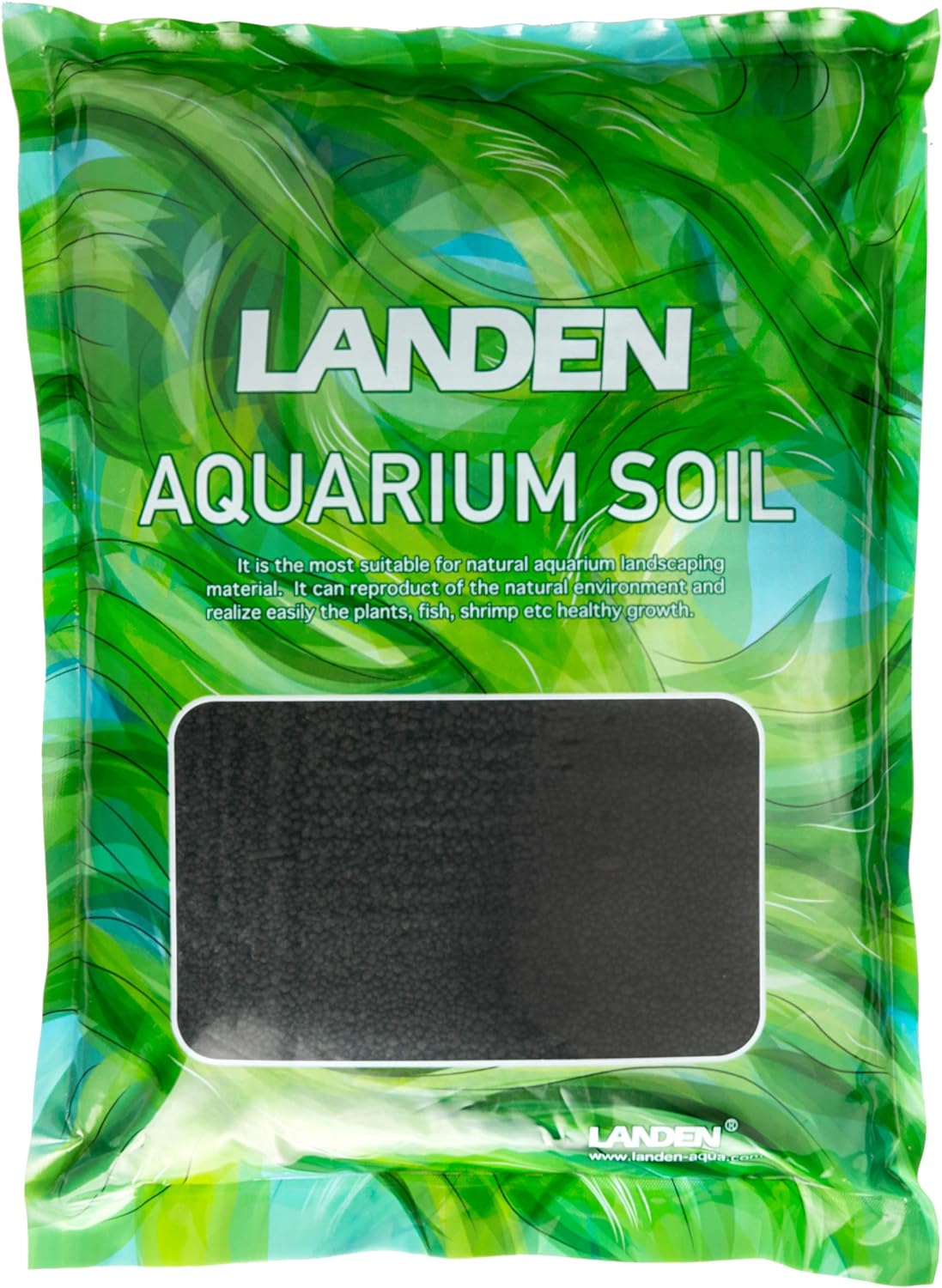
Best beginner-friendly: LANDEN Aqua Soil Substrate, 5 L (10 lb), Black
Best beginner-friendly
LANDEN Aqua Soil Substrate, 5 L (10 lb), Black
Landen
- Bag size: 5 L (≈ 10 lb)
- Type: Natural-material clay-based stratum, 3–5 mm grain
- Nutrient release: Minerals, organic acids and nitrogen nutrients — good for plants and shrimp
- pH effect: Lightly buffers towards softer, slightly-acidic water
- Color: Black
Landen Aqua Soil sits at the easy-mode end — sized to cover a single small/medium nano in one bag, with a forgiving nutrient curve for first-time planted-tank owners.
Last checked 2026-10-09
The beginner-friendly pick. A nutrient-rich aquasoil with a forgiving leach profile, easy to handle out of the bag, and priced for a first build. The nutrient window is shorter than the top-tier brands, but the trade-off is worth it for a first planted tank where the keeper is learning multiple things at once. Most keepers move to a top-tier soil for the second build.
Who it is for: a first planted tank where the keeper wants nutrient-rich substrate without the top-shelf complexity or price. What to watch: still cycle fishless for two to three weeks. The leach is gentler than the slot-1 pick but still present.
Aquasoil vs inert — which is right for you
Two paths, both legitimate. Aquasoil grows almost any plant on its own for six to twelve months, lowers pH slightly (which suits most planted-tank species), and needs replacing every four to five years. Inert substrate plus root tabs lasts indefinitely, has no pH effect, and supports the same plants if you stay on the dosing schedule. Most serious planted-tank builds use aquasoil; most long-term capped builds use inert with a nutrient base underneath. If you do not know yet, go aquasoil — the learning curve is shorter.
What to look for in aquarium soil
The buying-side checklist that the listings skip.
Grain size
Fine (1–3 mm) for carpets, dwarf hairgrass and delicate-rooted stems. Medium (3–5 mm) is the general-purpose default — works for almost every plant. Coarse (over 5 mm) is for hardscape-attached-only tanks; root plants struggle to spread in it.
Nutrient profile
Look for "nutrient-rich" or "fertilised" in the listing — those are the aquasoils that feed plants on their own. "Inert" or "neutral" substrate has no nutrient load and requires root tabs. The middle-ground "low-nutrient" soils are usually a marketing label, not a useful category.
pH effect
Most nutrient-rich aquasoils lower pH by 0.5 to 1.0 units. Good for soft-water tanks (most planted-tank fish, shrimp, dwarf cichlids). Bad for hard-water tanks with species that prefer pH 7.5+ (rift-lake cichlids, livebearers in hard water). Match the soil to the species, not the other way around.
Bag size and tank coverage
Calculate by tank footprint: length × width × desired depth (in inches) ÷ 60 gives the litres of substrate needed. A 20-gallon long at 1.5 in deep needs about 9 litres of soil. Round up — running short on substrate mid-setup is how a lazy aquascape happens.
Ammonia leach window
Most nutrient-rich aquasoils leach ammonia for the first one to three weeks. This is perfect for a fishless cycle, and a non-starter for adding fish on day one. The ammonia-leach window is one of the few things forum threads report consistently — search "[brand name] ammonia spike duration" before buying for a tank with existing fish.
How to set up an aquarium soil base
Setting substrate up badly is how new tanks cloud for weeks and aquascapes collapse a month later. Do it in this order. First, place the tank on a level, tank-rated stand. Second, add the aquasoil directly from the bag — do not rinse. Pour evenly across the base, then level with a flat tool. Aim for 1.5 in deep across the front, sloping up to 3–4 in at the back for visual depth. Third, place hardscape (driftwood, stones) firmly into the substrate so it sits on the glass, not on top of the soil — anything resting on soft substrate collapses over time. Fourth, plant before flooding: push root-feeders into the substrate, attach anubias and java fern to the hardscape. Fifth, fill slowly — pour onto a plate or shallow dish to avoid disturbing the soil. Sixth, start the fishless cycle. See the planted aquarium starter guide for the cycle walkthrough.
What we don't recommend
Coloured "neon" gravel
Inert, so it does not poison the tank, but it reads as a goldfish tank and rarely fits an aquascape. The dye eventually leaches and the colour fades patchy. Spend the same money on a real aquasoil or natural sand.
Garden soil straight from the bag
Tempting and cheap, but most off-the-shelf potting soils contain added fertilisers (urea, time-release pellets) and wetting agents that nuke fish. Capped organic soil works only if it is plain, additive-free, and capped under 1.5 in of inert sand or gravel.
Crushed coral or aragonite in a planted tank
These raise pH and hardness — useful only for African cichlid tanks targeting hard alkaline water. Most planted-tank species prefer the opposite. Skip unless you are deliberately buffering up.
Frequently asked questions
What is the best aquarium soil for a planted tank?
For most keepers, a nutrient-rich aquasoil is the best choice — pre-loaded with macros and micros that root plants need. The top-tier picks lower pH slightly (good for soft-water species and shrimp) and feed plants for six to twelve months on their own. Inert substrate plus root tabs works as a longer-life alternative for capped builds.
How much aquarium soil do I need?
Calculate by tank footprint: length × width × desired depth (in inches) ÷ 60 gives the litres of substrate needed. A 20-gallon long at 1.5 in deep needs about 9 litres of soil. Aim for 1.5 to 2 in across the front and 3 to 4 in toward the back for a sloped aquascape look.
Does aquarium soil lower pH?
Yes, most nutrient-rich aquasoils lower pH slightly — typically by 0.5 to 1.0 unit, depending on the brand and the buffering of your source water. This is good for soft-water species (most planted-tank fish, shrimp, dwarf cichlids) and a non-issue for hard-water tolerant species. Inert substrates have no pH effect.
How long does aquarium soil last?
Most nutrient-rich aquasoils peak in the first six months and decline steeply after twelve. Plants still grow after that, but root tabs become useful for heavy feeders. Most keepers refresh the top inch at the two-year mark and replace the whole substrate every four to five years. Inert substrates last indefinitely.
Can I add aquarium soil to an established tank?
Yes, with care. Lower water to expose the substrate area, add the new aquasoil on top of the existing substrate (or in a defined zone), and do a 50% water change after refilling. Expect ammonia spikes for one to two weeks — fresh aquasoil dumps ammonia as it leaches. Test daily and water-change as needed.
What is the cap method?
The cap method puts a nutrient-rich base — clay, peat, organic soil, or aquasoil — under 1.5 to 2 in of inert sand or gravel. Cheaper than pure aquasoil, lasts indefinitely. Done right, the inert cap keeps the nutrient base from clouding the water column. Done wrong (cap too thin), you fight tannins and stirred-up soil for weeks.
Should I rinse aquarium soil before adding it to the tank?
No. Most aquasoils are sold with fine particles that wash away if you rinse, taking nutrients with them. Add directly from the bag, dry, to the empty tank. Add water slowly afterwards — pour onto a plate, your hand, or a small dish to avoid disturbing the substrate.
Does aquarium soil cause ammonia spikes?
Yes, especially in the first two weeks. Fresh aquasoil leaches ammonia as it activates — perfect for a fishless cycle, harsh on any fish already in the tank. Plan a fishless cycle when starting a new tank with aquasoil; expect 2 to 4 ppm ammonia for the first week, dropping as the cycle progresses.
What is the difference between aquasoil and gravel for a planted tank?
Aquasoil is nutrient-rich, slightly acidic, and feeds root plants on its own. Gravel is inert — no nutrients, no pH effect — and needs root tabs for any root-feeding plant. Aquasoil grows almost any plant; gravel grows the easy plant shortlist plus root-fed species if you dose tabs regularly.
Is aquarium soil safe for shrimp?
Yes, with one caveat. Most aquasoils drop pH and dump ammonia for the first two weeks — toxic to shrimp. Cycle the tank fully before adding shrimp, and prefer shrimp-targeted aquasoils that release ammonia more slowly. Once cycled, shrimp thrive on aquasoil — the lower pH suits most freshwater shrimp species.