Substrate for planted tank
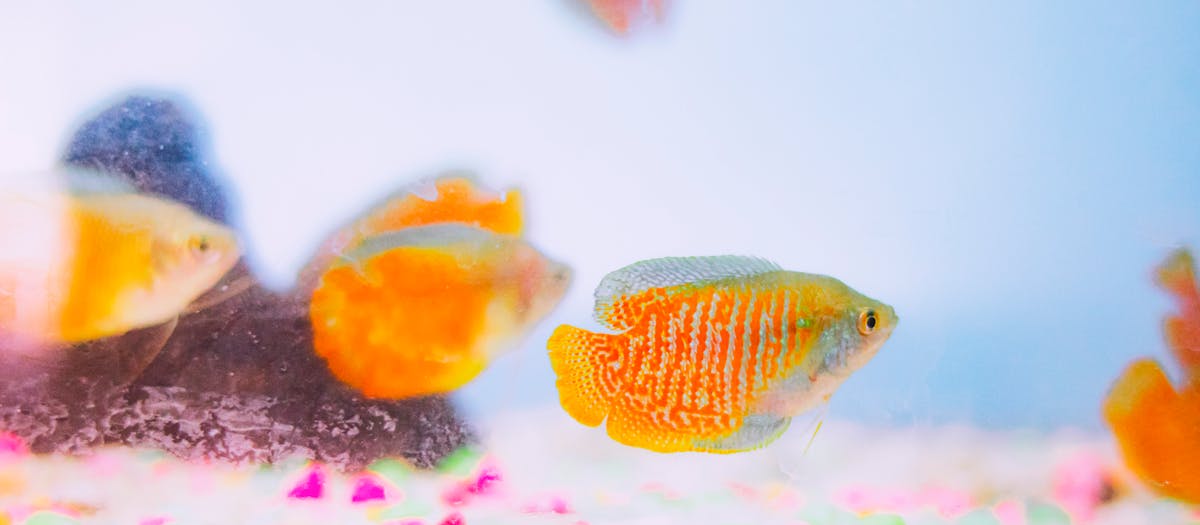
Substrate is the foundation of every planted tank, and the one decision that is genuinely hard to change once the tank is wet. Pick the wrong substrate and you spend the next year compensating with extra dosing, root tabs jammed monthly, and stunted root growth on every heavy feeder. Pick the right one and your plants do most of the work for you.
Fertiliser is the partner decision. The right substrate carries the first few months on its own; the right dosing routine carries it from there. This silo covers both — what kind of substrate to buy, how to dose, and which products in each category are actually worth the price.
How to choose your substrate
Three questions decide it.
What plants are you growing?
- Mostly hardscape-attached (anubias, java fern, mosses) — Any substrate works. Plain inert gravel or sand is fine because the plants do not root in it.
- Mostly root-feeders (swords, cryptocoryne, vallisneria) — Aquasoil or capped inert with regular root tabs.
- Carpet plants (Monte Carlo, dwarf hairgrass, hemianthus) — Aquasoil mandatory. The fine roots need soft, nutrient-rich substrate to spread.
- Heavy stems (rotala, ludwigia, bacopa) — Aquasoil strongly preferred. Capped inert works but the plants grow slower.
Are you injecting CO2?
- No CO2 — Any substrate works for the easy plant shortlist. Capped inert is the cheap forever-substrate.
- Pressurised CO2 — Aquasoil pays for itself. The faster growth needs the nutrient load.
How long do you want it to last?
- Aquasoil — Nutrient peak in months 1–6, declining steeply after month 12. Most keepers refresh top inch at the two-year mark.
- Capped inert — Lasts forever. Re-dose with root tabs every 2–3 months for the root feeders.
- Pure inert — Lasts forever. Water-column dose only — works for hardscape-only plants.
Featured guides
The current published guides in this silo. More land each batch.
Landing next: Best aquarium plant fertilizer, Root tabs, and Fluval Stratum vs ADA Aqua Soil — the head-to-head substrate comparison.
The substrate options, explained
Aquasoil (nutrient-rich, clay-based)
Baked clay granules pre-loaded with macronutrients. Lowers pH slightly (good for soft-water species and shrimp), feeds root plants for six to twelve months on its own. The default for serious planted tanks. ADA Amazonia, Fluval Stratum and UNS Controsoil are the three names hobbyists mention most. Read the full aquarium soil comparison for grain size, pH effect, and longevity head-to-head.
Inert substrate (sand or gravel)
Plain, biologically inert. No nutrient load, no pH effect. Pool filter sand, blasting grit, and aquarium-rated gravel all work. Cheap, lasts indefinitely, looks clean. Pair with root tabs for root-feeders. The substrate of choice for capped builds and bare-bottom hardscape tanks.
Capped substrate (the cap method)
A nutrient base — clay, peat, organic soil — capped with an inch and a half of inert sand or gravel. Cheaper than pure aquasoil and effectively permanent. Done right, it is the longest-lasting nutrition the hobby offers. Done wrong, the cap is too thin, the base mixes into the water column, and you fight tannins for a month. Cap depth: 1.5 to 2 inches, non-negotiable.
Fertiliser dosing, simplified
Plants need three macronutrients (nitrogen, phosphorus, potassium) and a small group of micronutrients (iron, manganese, magnesium, others). They get those from the substrate, the water column, or both — depending on the species and your dosing schedule.
The all-in-one liquid
One bottle, weekly dose, simple. Brands like Seachem Flourish Comprehensive, Aquario Neo Plant, and Tropica Premium cover all macros and micros at moderate concentration. The right answer for low-tech tanks and most first builds.
The EI (Estimative Index) method
Separate dry-dose macros (KNO3, KH2PO4, K2SO4) and micros (Plantex CSM+B), applied three times a week with a 50% water change on Sunday. Designed to keep nutrients perpetually above plant demand, so growth is never nutrient-limited. The standard high-tech approach.
Root tabs
Compact tablets pushed into the substrate near root-feeders. Slow-release for two to three months. Essential in capped inert builds; helpful in aquasoil after the first year. Don't push a tab next to a plant that doesn't root-feed — wasted.
What matters when you buy substrate
The buying-side checklist that the listings skip.
Grain size
Fine grains (1–3 mm) for carpets and delicate-rooted plants. Medium grains (3–5 mm) are the general-purpose default. Coarse (>5 mm) is for hardscape-only tanks. Aquasoils typically run 2–4 mm.
Bag size and tank coverage
Substrate manufacturers list "covers X gallons" loosely. Calculate by tank footprint instead: length × width × depth (in inches) ÷ 60 gives litres of substrate needed for a 1.5-inch depth. A 20-gallon long (30 × 12 × 1.5) needs about 9 litres of substrate.
pH and water-chemistry effect
Aquasoils lower pH and can dump ammonia for the first two weeks — perfect for a fishless cycle, harsh on existing fish. Inert substrates are neutral. Crushed coral or aragonite raise pH and hardness — only useful for tanks targeting African cichlid water, not planted builds.
Tank chemistry compatibility
Soft-water plants (cryptocoryne, most stems) love aquasoil. Hard-water tolerant plants (vallisneria, anubias, hornwort) tolerate any substrate. Match the substrate to the plants you want, not the other way around.
What we don't recommend
Coloured "neon" gravel
The blue and pink novelty gravels from chain pet stores. They are inert (so they work), but they read as a goldfish tank, leach dye over time, and look out of place in any aquascape. Spend the same money on natural-coloured sand or aquasoil.
Garden soil straight from the bag
Tempting and cheap. Most off-the-shelf potting soils have added fertilisers (urea, time-release pellets) and wetting agents that nuke fish. Capped organic soil works only if it is plain, additive-free, and capped properly.
Plain river rock
Decorative, not aquarium-rated. Unknown mineral content, possible pH spikes from limestone fragments. If you cannot answer what minerals are in it, do not put it in a tank with fish.